Fabricación ecológica e inteligente: una nueva tendencia en la industria de los abrasivos de acero.
May 14, 2026
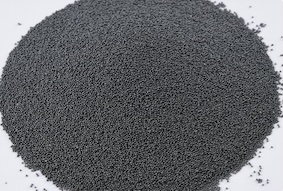
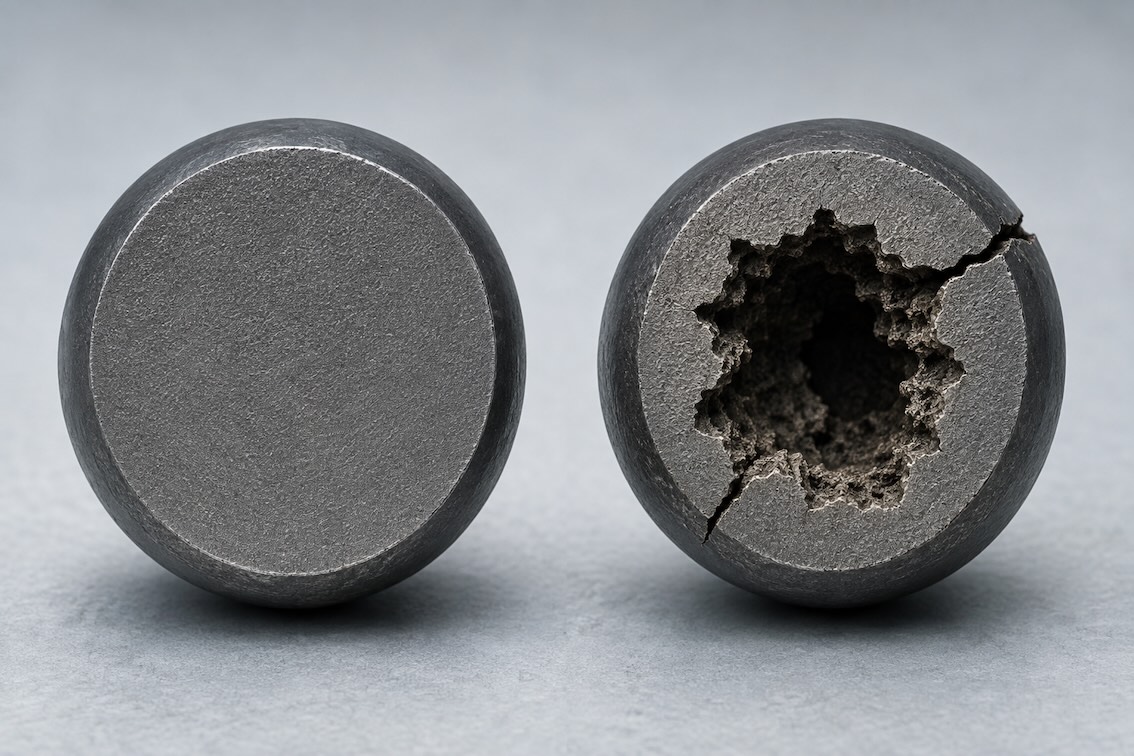
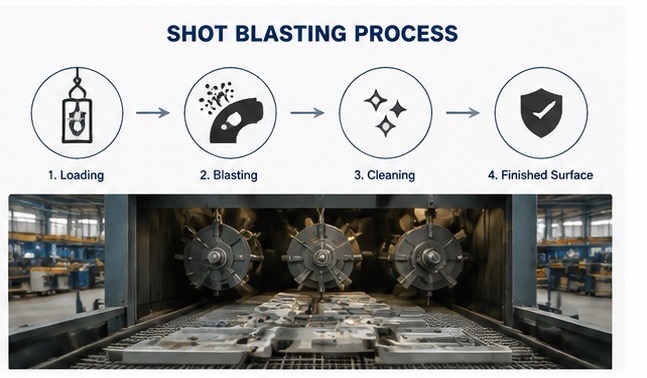
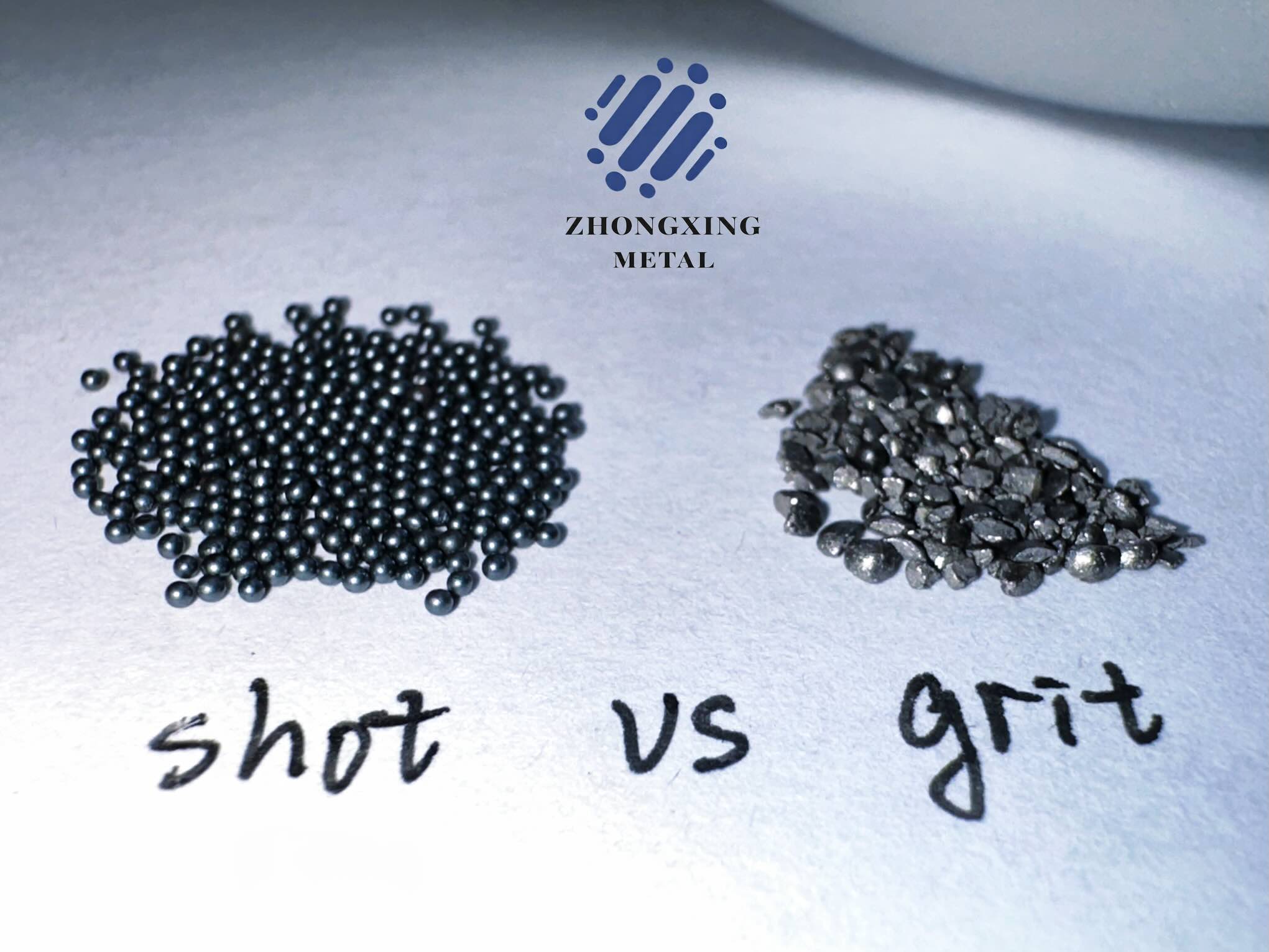
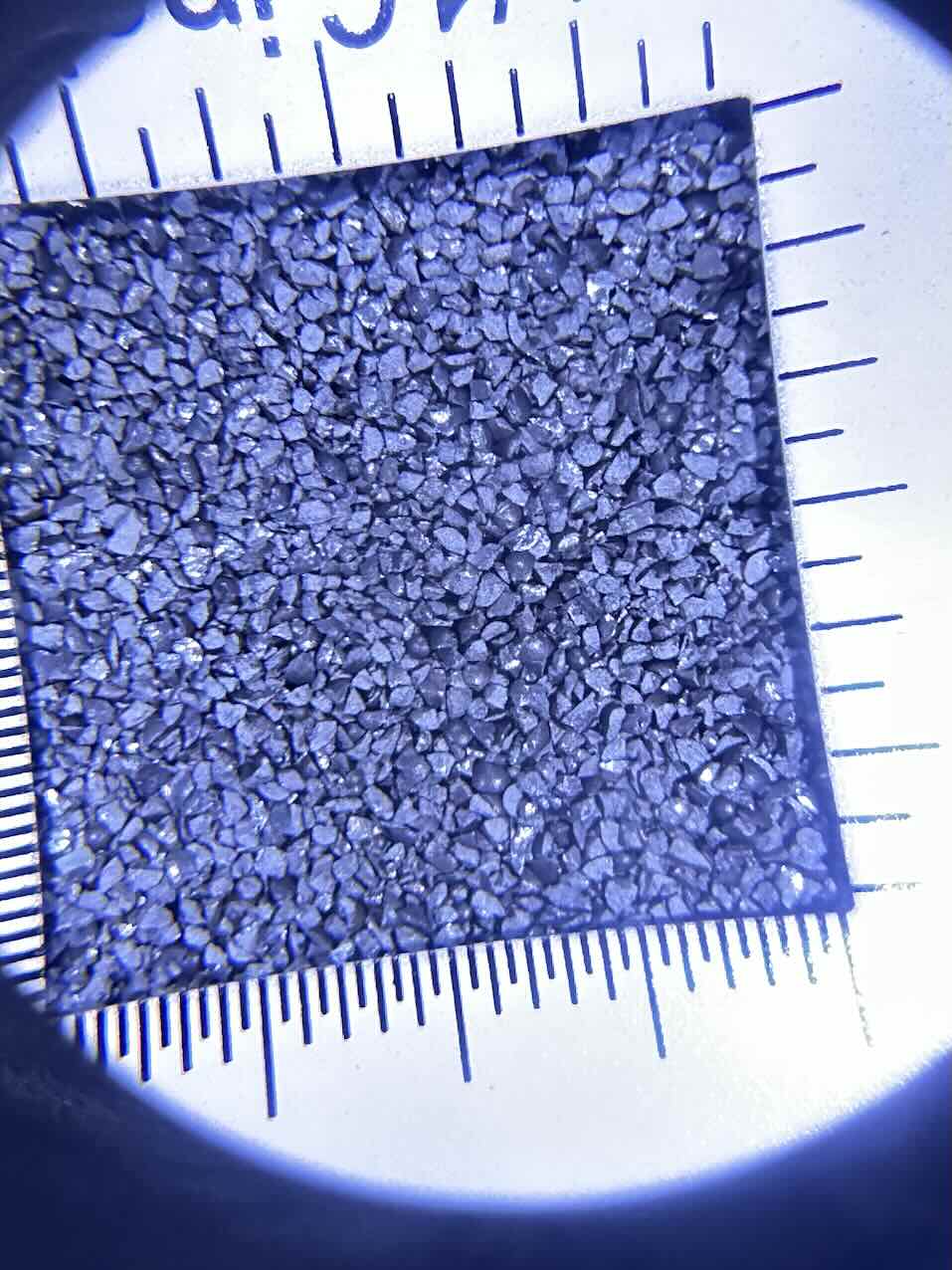
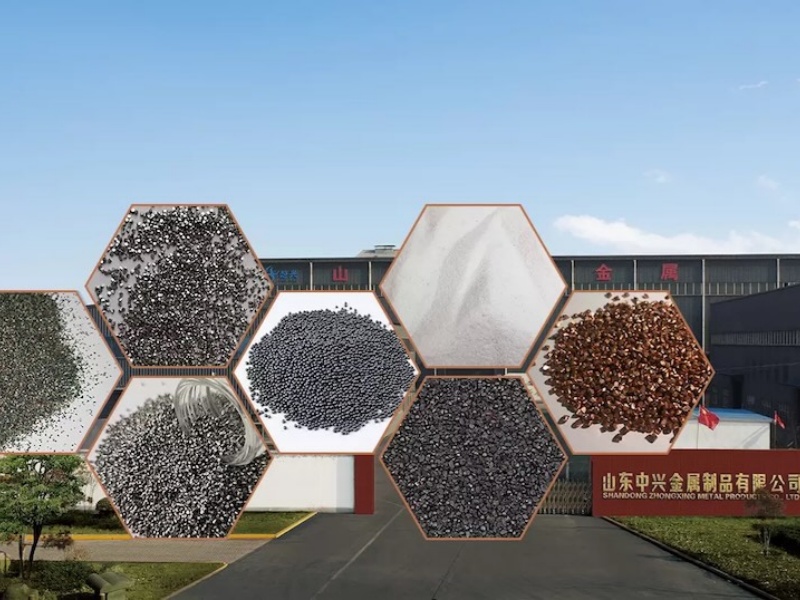
En los últimos años, las industrias de fundición, estructuras de acero, autopartes y fabricación de maquinaria han seguido mejorando sus requisitos de producción. Como resultado, la industria del tratamiento de superficies ya no se centra únicamente en la eficiencia de la limpieza. Ahora, más clientes prestan atención aFabricación ecológica, producción inteligente, calidad estable y control total de costes.. La industria de la fundición avanza hacia un desarrollo más ecológico, inteligente y de mayor calidad. Los estudios sectoriales sobre el sector de la fundición en China también destacan que la fabricación ecológica, la producción inteligente y el desarrollo de alta calidad se están convirtiendo en ejes clave durante el XIV Plan Quinquenal. Asimismo, la fundición ecológica e inteligente hace hincapié en la digitalización, la automatización y la estabilidad de los procesos. Esta tendencia crea mayores exigencias para la industria de abrasivos de acero. Para productos comoGranalla de acero, arena de acero y granalla de alambre cortadoLos clientes ya no comparan únicamente el precio unitario. También tienen en cuenta la vida útil del abrasivo, la tasa de rotura, la generación de polvo, la uniformidad del tratamiento de la superficie y el coste operativo total. Mediante una producción inteligente, una inspección estandarizada y un estricto control de calidad, los proveedores de abrasivos de acero pueden ayudar a sus clientes a mejorar la eficiencia del granallado, reducir los residuos de abrasivo y lograr resultados de preparación de superficies más estables. ¿Por qué la fabricación ecológica se ha convertido en un foco de atención de la industria? En las operaciones de granallado y chorro abrasivo, el material abrasivo no solo afecta al rendimiento de la limpieza, sino que también influye directamente en la emisión de polvo, la generación de residuos, el desgaste de los equipos y el consumo de energía. Los estudios sobre medios de granallado sostenibles señalan que el granallado abrasivo se ha considerado durante mucho tiempo un proceso con riesgos potenciales de exposición a sílice cristalina respirable, especialmente cuando se utilizan abrasivos que contienen sílice libre. Los datos de investigación también muestran que desde 2001 hasta 2010, alrededor de2 millones de trabajadores en Estados Unidosestuvieron potencialmente expuestos a sílice cristalina respirable, mientras que el límite de exposición recomendado era solo0,05 mg/m³. Por lo tanto, medios abrasivos con bajo contenido de polvo, bajo contenido de sílice libre y reciclables, como Disparo de alambre cortado de acero inoxidableestán adquiriendo cada vez más importancia en la industria del tratamiento de superficies. Desde una perspectiva de sostenibilidad, se espera que los abrasivos ecológicos tengan, en general, seis características clave:Cero contenido de sílice libre, alta eficiencia, bajo consumo de material filtrante, baja generación de residuos, alta reciclabilidad y respeto al medio ambiente.Esto demuestra que los clientes están cambiando su enfoque, pasando del precio de compra a la durabilidad del abrasivo, la tasa de rotura, el control del polvo, la eliminación de residuos y el costo total de operación. En la comparación práctica de medios abrasivos, los distintos tipos de abrasivos pueden mostrar claras diferencias en la generación de polvo y la vida útil bajo condiciones de prueba específicas. Por ejemplo, la granalla de alambre cortado de acero inoxidable mostró una tasa de generación de polvo de0,0042 g/cicloy una vida útil de11.124 ciclosSe estimó que la granalla de acero con bajo contenido de carbono era de alrededor de0,020–0,022 g/ciclopara la generación de polvo, con una vida útil de4.498 ciclos. La granalla de acero fundido convencional mostró una tasa de generación de polvo de0,0254 g/cicloy una vida útil de2.230 ciclos bajo el mismo contexto comparativo. Medios abrasivosTasa de generación de polvoVida útilVentaja de sostenibilidadDisparo de alambre cortado de acero inoxidable0,0042 g/ciclo11.124 ciclosMenor generación de polvo y mayor vida útil en esta comparación.Perdigones de acero de bajo carbonoAprox. 0,020–0,022 g/ciclo*4498 ciclosMenor rotura, menos polvo y menor consumo de abrasivos.Granalla de acero fundido convencional0,0254 g/ciclo2230 ciclosMayor rotura y mayor generación de polvo*Valor estimado basado en una generación de polvo entre un 15 % y un 20 % menor, según informes públicos, en comparación con la granalla de acero de alto contenido de carbono convencional. La generación real de polvo puede variar según el tamaño y la dureza del abrasivo, el equipo de granallado, la velocidad de impacto y las condiciones de trabajo. Estos datos indican que los abrasivos con mejor durabilidad y menor rotura, incluidos Granallas abrasivas de acero bajo en carbonoPor lo general, generan menos polvo, reducen la frecuencia de reemplazo y ayudan a disminuir el desgaste de los equipos y el costo operativo general. Una investigación sobre los residuos del granallado de acero también informó que una empresa metalúrgica generó aproximadamente20 toneladas de residuos de granallado de acero al mes, lo que requería una eliminación adecuada. Esto demuestra además que si los medios abrasivos tienen una alta tasa de rotura y una vida útil corta, pueden aumentar la presión en la gestión de residuos, los costos de gestión ambiental y los costos operativos a largo plazo. Como resultado, más clientes están eligiendoAbrasivos metálicos de bajo consumo, baja emisión de polvo, larga vida útil y reciclables.Esto es especialmente importante para las líneas automáticas de granallado, los sistemas de producción continua y las operaciones de limpieza de fundiciones a gran escala, donde el rendimiento estable del abrasivo afecta directamente a la eficiencia de la producción, el control de costes y el rendimiento de la fabricación ecológica. ¿Cómo mejora la fabricación inteligente la estabilidad de los abrasivos?La fabricación inteligente ayuda a los fabricantes de abrasivos de acero a controlar mejor las etapas clave de producción, como la fusión, la atomización, el tratamiento térmico, el cribado y el envasado. En la producción de granalla y arena de acero, una composición química estable, un rango de dureza adecuado, una distribución uniforme del tamaño de partícula y una microestructura interna fiable influyen directamente en el rendimiento final del granallado. En la fabricación de granalla de acero, el proceso de enfriamiento es uno de los factores clave que afectan la estabilidad del producto. En comparación con el enfriamiento por agua tradicional,enfriamiento por airePuede reducir el consumo de agua en la etapa de enfriamiento y disminuir la presión del tratamiento de aguas residuales, lo que hace que el proceso sea más compatible con la fabricación ecológica y de bajas emisiones de carbono. Al mismo tiempo, un proceso de enfriamiento estable puede ayudar a mejorar la estructura interna, reducir el riesgo de defectos internos y aumentar la resistencia a la abrasión y la vida útil. La producción inteligente y mecanizada también ayuda a reducir las variaciones causadas por la operación manual. Esto permite una mayor uniformidad en la temperatura de fusión, la composición de la aleación, el tiempo de tratamiento térmico, la precisión del cribado y el peso del embalaje. Para los clientes, esto significa que diferentes lotes de abrasivos pueden ofrecer un rendimiento más consistente en cuanto a dureza, tamaño de partícula, comportamiento ante impactos y resultados de limpieza. La inspección estandarizada es otro factor clave para la estabilidad de los abrasivos. Mediante el análisis de la composición química, las pruebas de dureza, la inspección del tamaño de partícula, la observación metalográfica y las pruebas de vida útil de Ervin, los fabricantes pueden identificar diferencias entre lotes y garantizar que los productos abrasivos cumplan con los requisitos de calidad estables antes de ingresar al sistema de granallado del cliente. Punto de controlImpacto en la estabilidad abrasivaBeneficio para el clienteControl de fusiónComposición química más estableDureza y rendimiento al impacto consistentesEnfriamiento por aire / Enfriamiento por aireMenor consumo de agua y un proceso de refrigeración más estable.Menor presión de aguas residuales y mayor durabilidad.Control del tratamiento térmicoMejor equilibrio entre dureza y tenacidadMenor índice de roturas y mayor vida útil.Cribado y clasificaciónDistribución de tamaño de partícula más uniformeResultados de voladura más consistentesInspección estandarizadaVerificación de la calidad del loteSuministro más fiable y menos variaciones de calidad. Por lo tanto, la fabricación inteligente no se trata solo de automatización. Más importante aún, utilizacontrol de procesos, tecnología de refrigeración ecológica, inspección estandarizada y trazabilidad de lotes Para reducir la variabilidad del producto y mejorar la consistencia del abrasivo. En líneas de granallado automáticas, líneas de producción continua y limpieza de piezas fundidas a gran escala, un rendimiento estable del abrasivo puede ayudar a reducir la rotura, la generación de polvo y el consumo de abrasivo, al tiempo que mejora la uniformidad del tratamiento superficial. Cómo Zhongxing Metal responde a las tendencias de la industriaAnte las tendencias de la fabricación ecológica y la producción inteligente,Shandong Zhongxing Metal Products Co., Ltd.La empresa continúa mejorando su capacidad de producción, control de calidad, procesos ambientales y gestión estandarizada. El objetivo es brindar a sus clientes soluciones abrasivas de acero más estables, confiables y sostenibles. En términos de capacidad de fabricación, Zhongxing Metal continúa invirtiendo en producción inteligente.1 de mayo de 2026, la empresa puso en funcionamiento una nueva línea de producción de fundición mecanizada inteligente, con una inversión total de50 millones de RMB. Tras el lanzamiento de la nueva línea, la capacidad de producción anual de la empresa aumentará a200.000 toneladas, con un valor de producción anual estimado de800 millones de RMBEsta mejora refuerza aún más la capacidad de producción a gran escala y de suministro estable de la empresa para granalla de acero, arena de acero y otros abrasivos metálicos. En cuanto a los sistemas de producción, Zhongxing Metal está equipada con hornos de inducción de media frecuencia, líneas de secado continuo, líneas de temple y revenido continuo, líneas de trituración y cribado de granalla de acero, sistemas automáticos de pesaje y embalaje, máquinas de corte de alambre y equipos de acondicionamiento. Según la información de la empresa, la capacidad mensual alcanza aproximadamente6.000 toneladas métricas de granalla de acero y arena de acero.y aproximadamente3.000 MT para disparo de alambre cortado y Medios de corte de alambre acondicionadosEstas instalaciones permiten una producción continua, un control preciso del tamaño de las partículas y un rendimiento estable del producto. En la fabricación sostenible, Zhongxing Metal integra consideraciones ambientales en la selección de materias primas, la optimización de procesos, el ahorro energético y el reciclaje. La empresa utiliza chatarra de acero y aleaciones de alta calidad como materias primas, y controla la consistencia del producto mediante fusión, atomización, cribado, tratamiento térmico e inspección. Los abrasivos metálicos son reutilizables y reciclables, lo que ayuda a los clientes a reducir la generación de residuos y los costos operativos a largo plazo. En materia de control de calidad, Zhongxing Metal ha establecido un sistema de pruebas integral. Cada lote de productos se inspecciona para verificar su composición química y rendimiento físico. La empresa cuenta con instrumentos de prueba como espectrómetro, analizador infrarrojo de carbono y azufre, analizador elemental, microscopio metalúrgico, durómetro, máquina de pruebas de vida útil Ervin y equipos de montaje y pulido de muestras. Estos instrumentos permiten controlar indicadores clave como la composición química, la dureza, la microestructura, el tamaño de partícula y la vida útil de la abrasión. Zhongxing Metal también ha obtenidoCertificaciones del Sistema de Gestión de la Calidad ISO 9001, del Sistema de Gestión Ambiental ISO 14001 y del Sistema de Gestión de la Seguridad y Salud en el Trabajo ISO 45001.El alcance de la certificación abarca la producción de abrasivos metálicos, incluyendo granalla de acero, arena de acero, granalla de aleación y granalla de alambre cortado. Estas certificaciones brindan un apoyo importante a los compradores internacionales al evaluar la confiabilidad del proveedor, la consistencia de la calidad, la gestión ambiental y la capacidad de cooperación a largo plazo. En el futuro, la competencia en la industria de abrasivos de acero no se basará únicamente en el precio. Dependerá cada vez más de la capacidad de producción, la estabilidad de la calidad, la capacidad de entrega, el servicio técnico y la fabricación sostenible. Zhongxing Metal seguirá apoyando a sus clientes globales mediante la fabricación inteligente, la inspección estandarizada y la producción ecológica, ayudándoles a mejorar la eficiencia del granallado, reducir el consumo de abrasivos y lograr resultados de tratamiento de superficies más estables. Referencias1. Xu G.Sistema digital e inteligente de fundición ecológica para fundición de aleación de aluminio en moldes metálicos a baja presión..Fundición, 2019, 68(4): 347–352.2. Zulkarnain I., Kassim NAM, Syakir MI, Rahman AA, Yusuff MSM, Yusop RM, Keat NOCaracterísticas de los abrasivos en la industria del chorreado basadas en la sostenibilidad.Sostenibilidad, 2021, 13(15): 8130. DOI: 10.3390/su13158130.3. Lermen RT, Prauchner MB, Silva RA, Bonsembiante FTUtilización de los residuos del proceso de voladura con granalla de acero para fabricar un escudo contra la radiación en morteros..Sostenibilidad, 2020, 12(16): 6674. DOI: 10.3390/su12166674.4. Biblioteca Shot Peener.Granallado de medios: su efecto en la consistencia del procesoDocumento de referencia técnica.
Read More